If you’re a trader—or planning to become one—enthusiasm alone won’t cut it. Memorizing trading strategies or even generating profits in a demo account isn’t enough.
The real market is an entirely different environment from any calm, controlled training setting.
There are sudden fluctuations, breaking news that moves prices in seconds, and emotional pressures of fear, greed, and stress that challenge your psychological resilience even before your technical skills.
The real question is: Are you truly prepared for this world?
Many traders jump into the live market driven by the desire for quick profits, unaware that lacking real experience under pressure can lead to significant losses.
That’s why the concept of “testing yourself before taking the risk” has become a crucial step before investing real capital.
Why Isn’t a Demo Account Enough?
Demo accounts offer a perfect environment for learning—but they lack two critical elements: emotional pressure and competitiveness.
When trading with virtual money, you’re less likely to feel the consequences of a poor decision or the frustration of a real loss.
In contrast, live trading forces you to think twice before clicking “buy” or “sell,” knowing that every decision directly affects your capital.
The issue is that many traders perform exceptionally well on demo accounts, only to behave completely differently when they transition to the real market.
Why?
Because of the emotional pressure they’ve never encountered before.
Competitions as a Bridge Between Theory and Practice
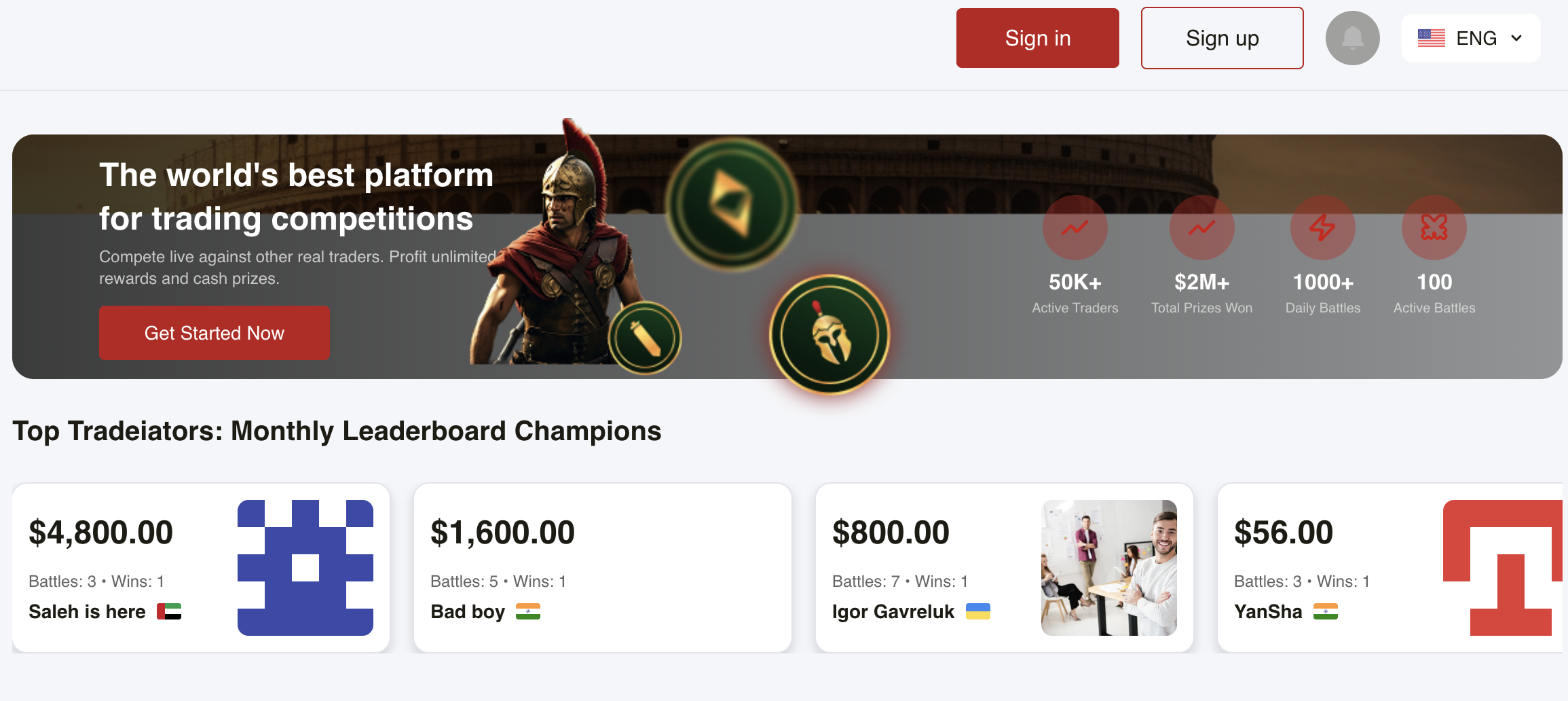
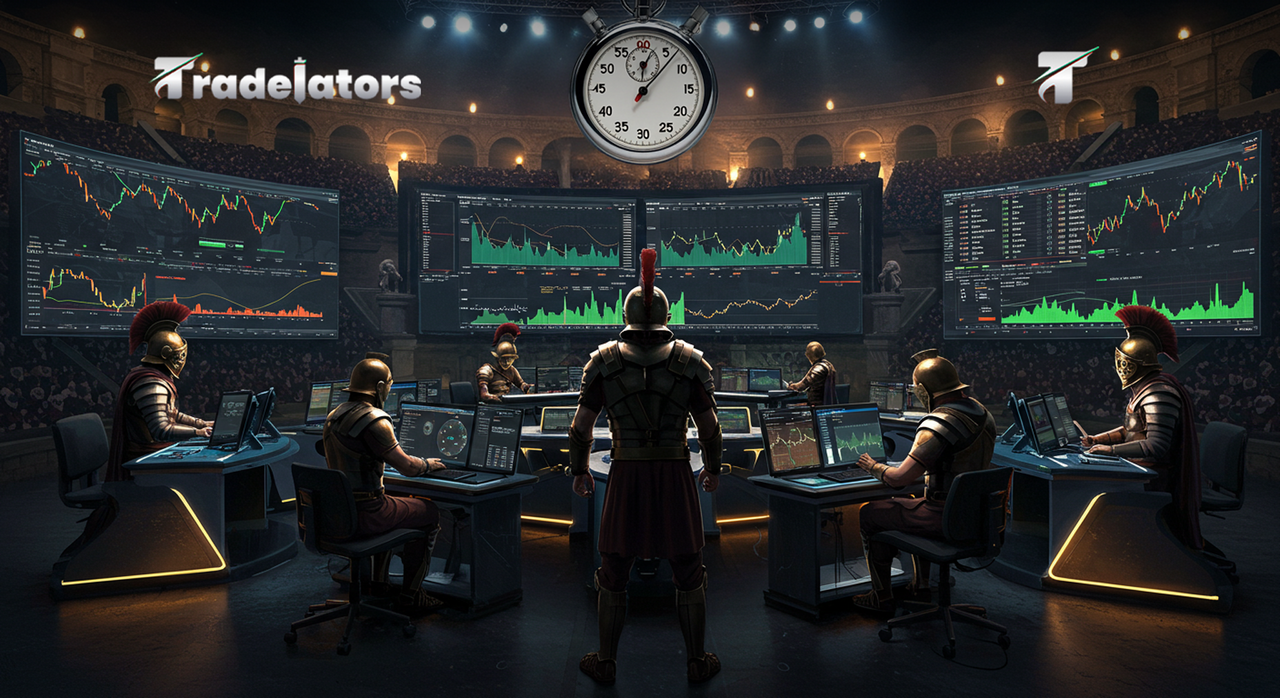
This is where platforms like Tradeiators come in—offering trading competitions based on real market data, but within a virtual environment that doesn’t put your entire capital at risk.
These competitions give you a unique opportunity to test yourself in a setting that closely mirrors real market conditions. You’ll face real competitors, your results will depend on your actual decisions, and you’ll be under time pressure and leaderboard rankings.
What Can These Competitions Reveal?
By engaging in a competitive trading experience, you’ll discover things about yourself that no textbook can teach, such as:
-
Your ability to stick to your plan when market conditions shift
-
Your reaction under pressure, whether you’re falling behind or seeing profits decline
-
Risk management behavior: do you maintain consistent risk levels or make impulsive decisions?
-
Flexibility: do you rigidly follow your plan, or can you adapt to new developments?
Benefits of Testing Before Risking
1. Identify Weaknesses Before They Cost You
Realistic evaluation of your performance highlights exactly where you need improvement—whether it’s capital management, emotional control, or timing.
2. Build Confidence Through Realistic Experience
Confidence isn’t just a feeling—it comes from proven ability to handle real situations effectively.
3. Turn Mistakes into Learning Opportunities
Mistakes in a competition environment are relatively safe, but they deliver invaluable lessons before you enter the real market.
4. Foster Positive Competitive Spirit
Leaderboards and prize incentives push you to deliver your best performance, strengthening your mental resilience.
5. Simulate Real Market Volatility
Using real market data means your strategy is tested against the same conditions you’ll face with real money later.
Practical Steps to Prepare for the Real Market via Tradeiators
-
Start with a short-term competition to test your strategy in a compressed timeframe.
-
Log all your decisions and take notes on how you felt during the trades.
-
Analyze your performance afterward using detailed reports.
-
Repeat the process, adjusting your strategy until you reach stable, satisfactory results.
-
Only move to the real market once you’ve achieved consistent results across multiple competitions.
In Conclusion: Your Decision Today Shapes Your Future
Entering the real market without testing yourself under pressure is like skydiving without proper training.
It might go well—or it might end in disaster.
Platforms like Tradeiators offer a golden opportunity to reduce that risk. They provide a competitive training environment that mirrors the real market experience in every detail, with incentives that encourage peak performance.
If you’re serious about trading, make this step a core part of your plan.
Testing yourself today could save you from costly losses tomorrow—and set you on the path to becoming a more prepared, disciplined, and successful trader in the real market.