
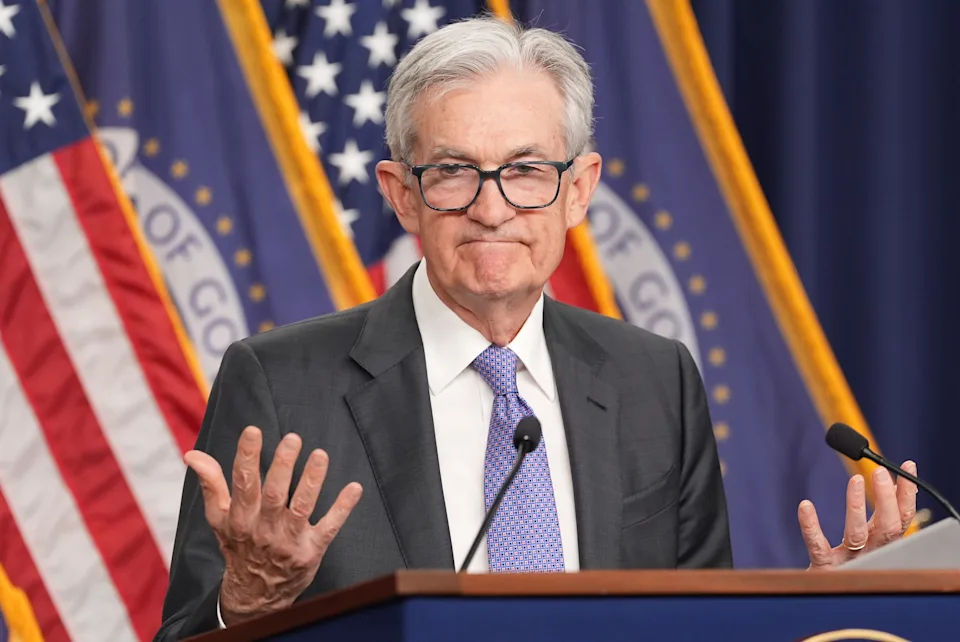
This week’s Federal Reserve meetings reveal just how significant the identity of the next Fed chair will be.
Despite broad agreement on the need to lower interest rates before the end of the year, the dissenting voices on this week’s decision – coming from different directions – reflect fundamental differences in perspectives within the Fed.
The conflicting interpretations of the trajectory of the U.S. economy further underscore how difficult achieving consensus has become.
Reaching policy harmony will become even more challenging with the departure of Jerome Powell, who is known for his conciliatory approach.
The current divergences in monetary policy views mean that the influence of the next Fed chair will be greater than ever.
Powell himself acknowledged that the decision to cut interest rates was a close call, saying:
“I can make a case for either side.”
This statement indicates that disagreement among stakeholders is not unusual, and that experts — whether Wall Street analysts or Fed members — can easily offer logical arguments for either direction of policy.
But it also means the current majority supporting the decision is fragile and could easily fracture.
If economic data fails to provide clear signals, the Fed will increasingly rely on the chair’s influence to guide decision-making within a divided institution.
As financial analyst Stephen Kates wrote on Wednesday, the range of projected interest rates for next year is unusually wide.
Hawkish members, for example, may resist any additional rate cuts next month or beyond.
This uncertainty is compounded by the approaching end of Powell’s term.
Kates added:
“As we enter 2026, the anticipation of new leadership at the Federal Reserve adds yet another layer of uncertainty to the path of monetary policy.”
Powell’s term concludes in May, with three remaining policy meetings before that date.
Nevertheless, President Trump may announce his nominee for Fed chair before the New Year, according to recent comments by Treasury Secretary Scott Bessent.
When Powell was asked whether the president’s public discussion of his successor affects his work at the Fed, he responded swiftly, “No,” as expected.
However, the credibility and independence of the next chair will be crucial not only for the bond markets but also for other voting members, who will need to be persuaded and aligned to build a workable consensus.
If the majority narrows amid tension between the Fed’s dual mandates, the impact on future policy could be substantial.