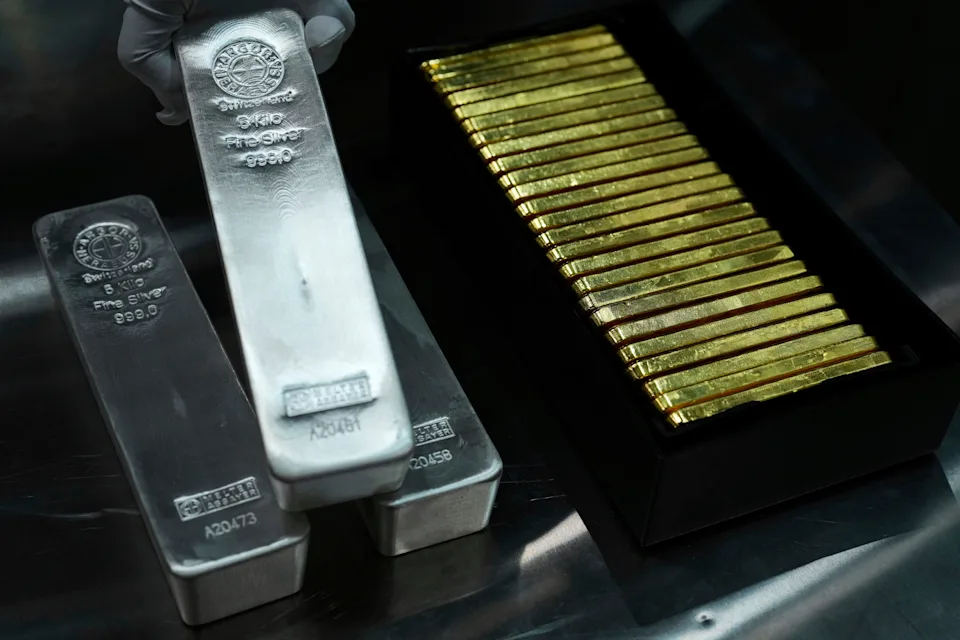
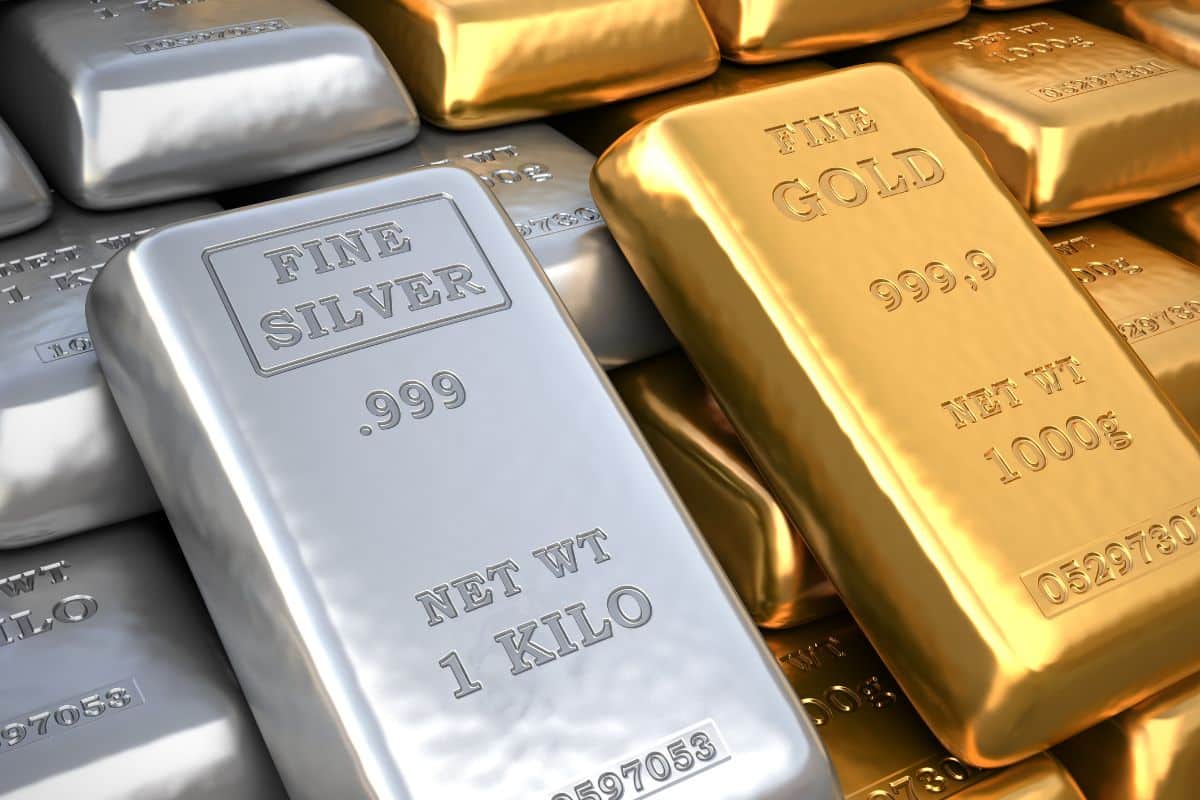
Gold and silver recorded new all-time highs, driven by escalating geopolitical tensions and growing market bets on further U.S. interest rate cuts, marking their strongest performance in more than four decades.
Gold rose by more than 1.5%, surpassing its previous peak set in October at $4,381 per ounce, while silver jumped around 3.4%, approaching the $70 per ounce level.
With this performance, both metals are on track to achieve their best annual gains since 1979.
The rally comes amid expectations that the Federal Reserve will cut interest rates twice in 2026, aligning with calls by U.S. President Donald Trump for a more accommodative monetary policy.
Lower interest rate environments typically support precious metals, as they are non-yielding assets.
At the same time, geopolitical developments have reinforced the appeal of gold and silver as safe havens. The United States has tightened its oil blockade on Venezuela, increasing pressure on President Nicolás Maduro’s government, while Ukraine has targeted a Russian oil tanker in the Mediterranean Sea for the first time.
Gold has posted gains of nearly 70% since the beginning of the year, supported by increased central bank purchases and strong inflows into gold-backed exchange-traded funds (ETFs).
Trump’s moves to reshape global trade, along with his threats to the independence of the U.S. central bank, have also helped accelerate the rally in recent months.
Gold-backed ETFs have seen continuous inflows over the past four weeks, while data from the World Gold Council show that total holdings in these funds rose in every month of the year except May.
This trend reflects the growth of the so-called “debasement trade,” as investors move away from sovereign bonds and fiat currencies amid concerns over declining value driven by rising debt levels.
Dilin Wu, a strategist at Pepperstone, said the current rally is being led by early positioning based on expectations of rate cuts, adding that thin liquidity toward year-end has amplified price movements.
Weak employment data and lower-than-expected U.S. inflation in November have further supported this outlook.
The rally has not been limited to gold and silver. Palladium climbed more than 4%, while platinum rose for the eighth consecutive session, surpassing $2,000 per ounce for the first time since 2008.
Although gold briefly pulled back from its October peak amid concerns about market overheating, it quickly resumed its upward trend, reinforcing expectations that momentum will carry into next year.
Several investment banks, including Goldman Sachs, expect prices to continue rising in 2026, with a base-case forecast of $4,900 per ounce and upside risks, particularly as ETF investors begin competing with central banks for limited physical supply.
Silver has benefited from speculative inflows and supply chain disruptions following a historic short squeeze in October, with trading volumes on the Shanghai exchange reaching levels close to those seen during that period.
Meanwhile, platinum has maintained a strong performance this year, gaining around 125%, driven by tighter supply in the London market and increased demand from China.
In the latest trading, spot gold rose to $4,412.94 per ounce, while silver advanced to $68.88. Palladium and platinum also posted solid gains, as the U.S. dollar index declined.
Analysts believe that the main market drivers currently include expectations of rate cuts and geopolitical risks, particularly those related to Ukraine and U.S. national security strategy, in addition to tensions in East Asia and the situation in Venezuela, all of which continue to support demand for gold as a hedging asset.