Amid an atmosphere of anticipation and uncertainty, the ambiguity surrounding former U.S. President Donald Trump’s economic policy loomed large over last week’s Federal Reserve Bank of New York conference on the U.S. dollar. The spotlight fell on his unconventional tariff agenda and repeated efforts to influence the composition of the central bank’s Board of Governors, raising further scrutiny over the future of the world’s primary reserve currency.
A Central Role for the New York Fed in the Global Financial System
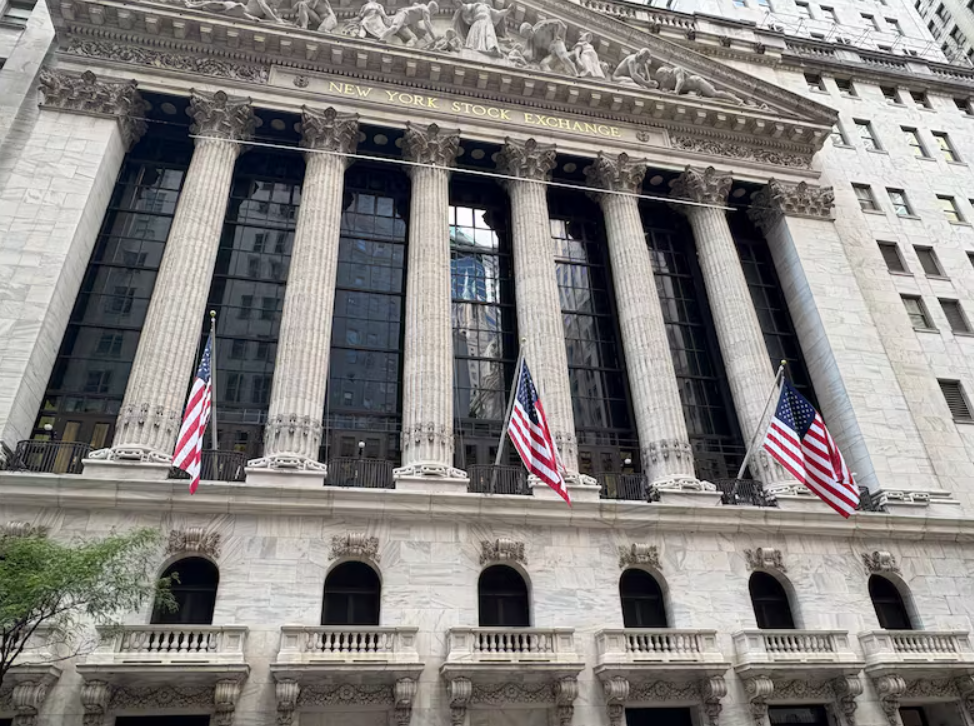
Located just steps away from Wall Street, the Federal Reserve Bank of New York is a key player in implementing U.S. monetary policy as set by the Federal Open Market Committee (FOMC). It also provides services to over 200 account holders, including foreign central banks and major financial institutions.
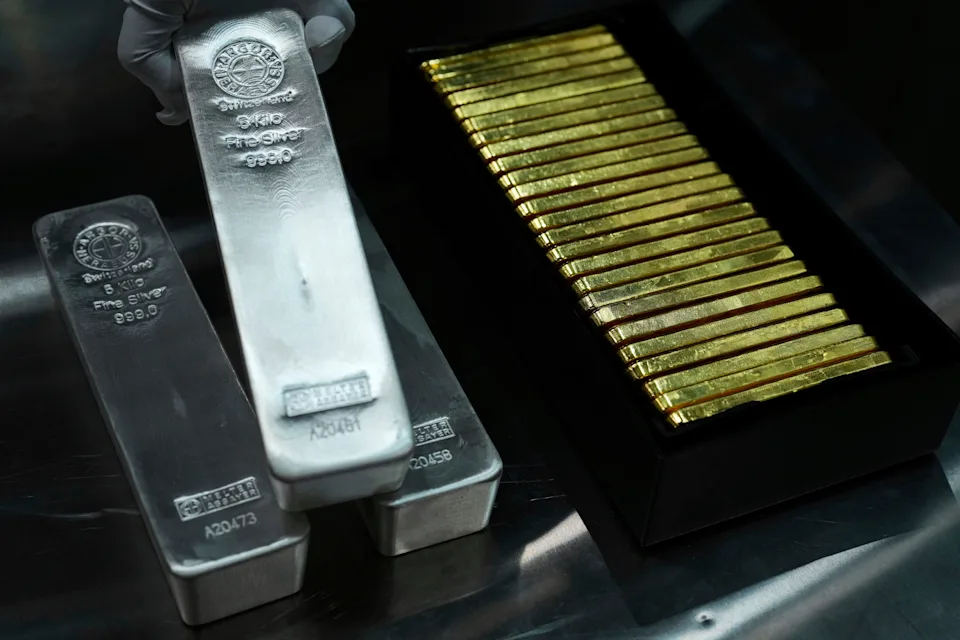
The bank also houses the world’s largest gold vault, holding approximately 507,000 gold bars, equivalent to around 6,331 metric tons as of 2024. These are stored 25 meters underground in the heart of Manhattan’s financial district.
Dollar Dominance in Jeopardy?
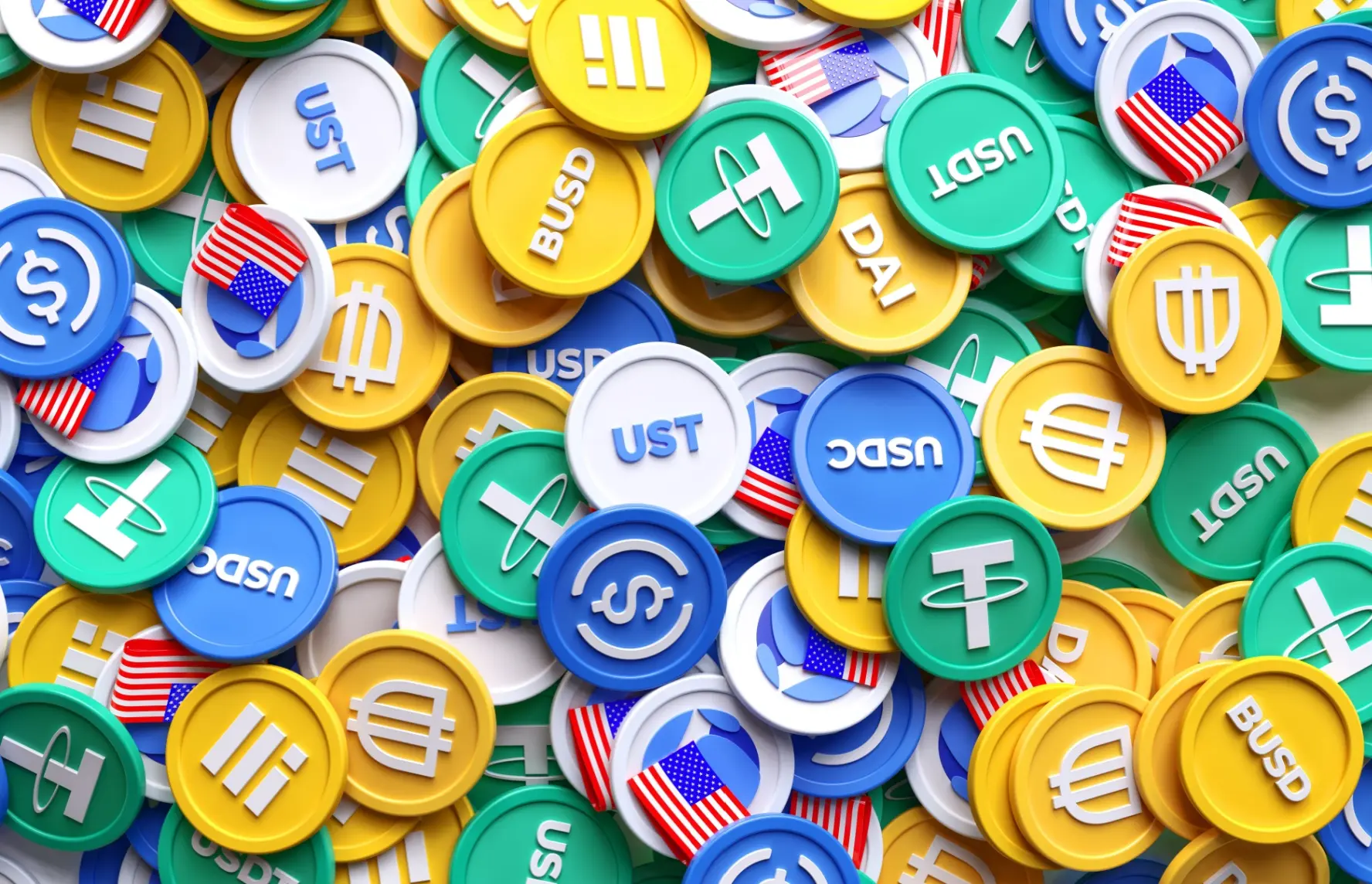
The U.S. dollar plays a central role in shaping global investment strategies, underpinned by strong investor confidence in American institutions. However, recent political developments and rising interventionism have raised questions about the long-term sustainability of this dominance.
Daleep Singh, a former official in the Biden administration, commented:
“The sad truth is that many around the world are now questioning whether the institutional strengths that originally gave the dollar its dominance still exist.”
Markets React to Trump’s Maneuvers
Since the beginning of the year, a series of actions and political stances from Trump have had visible effects on financial markets. The ICE U.S. Dollar Index—which tracks the dollar’s performance against a basket of six major currencies—has fallen by more than 9.5%, reaching 98.18 as of Friday.
This decline is attributed to Trump’s expansive tariff strategy and his attempts to directly reshape the Federal Reserve’s board structure.
Pressure on Monetary Policy
Despite Trump’s ongoing pressure, the Federal Reserve has so far resisted calls for aggressive interest rate cuts. The Fed reduced rates by 25 basis points last week and signaled a possible additional 50 basis points cut by year-end, bringing the federal funds rate to around 3.6%.
This remains far above the 3% cut Trump has demanded. So far, Stephen Miran, the newly appointed Fed governor and one of Trump’s close economic allies, is the only voice within the board calling for deeper rate cuts.
The relationship between Trump and Fed Chair Jerome Powell has grown increasingly tense throughout the year. The situation reached a peak in July, when Trump made an unusual visit to the Fed’s headquarters, objecting to what he claimed were excessive costs in the bank’s renovation project.
With Powell’s term ending in May, Trump may soon have the chance to nominate a successor more aligned with his views—potentially ushering in a fundamental shift in U.S. monetary policy direction.
Institutional Independence Under Threat
The independence of the Federal Reserve has long been seen as essential to the stability of the global financial system. However, growing political pressure is threatening that principle like never before.
The U.S. Supreme Court is expected to rule on the fate of Lisa Cook, a troubled Fed governor—an outcome that could carry significant implications for the Fed’s credibility and the broader economy.
Jeffrey Frieden, professor of economics at Columbia University, emphasized:
“Confidence in a currency is built on trust in the institutions that support it.”
Uncertainty Fuels Dollar Volatility
Following what was dubbed “Liberation Day” on April 2, the dollar entered a phase of sharp volatility, driven by Trump’s tariff rhetoric and unpredictable policy announcements.
According to Mahmood Pradhan, Head of Global Macro at Amundi Institute:
“What we’ve seen was not expected.”
While other major central banks such as the Bank of England and the European Central Bank have embarked on a series of rate cuts, the Federal Reserve has remained cautious—largely due to the uncertain economic impact of Trump’s tariffs.
U.S. Debt Adds More Pressure on the Dollar
Rising government intervention and expanding federal spending have also added downward pressure on the dollar. Prominent investor Ray Dalio, founder of Bridgewater Associates, warned last week that excessive U.S. borrowing is unsustainable, and that the country faces a serious financial crisis that could undermine its standing in the global monetary system.
Despite these warnings, most experts agree that there is currently no viable alternative to replace the U.S. dollar as the world’s primary reserve currency.
As Mahmood Pradhan concluded:
“This is the question investors in Europe, Asia, and the Middle East are asking—but the real challenge is figuring out what to do about it. That’s the real puzzle.”