When You Start Your Trading Journey, You Often Believe That Choosing a Strategy or Asset Class Will Define Your Investment Style
But the truth is, your style isn’t something you discover theoretically—it emerges through real-world experience and your reactions to the market in real time.
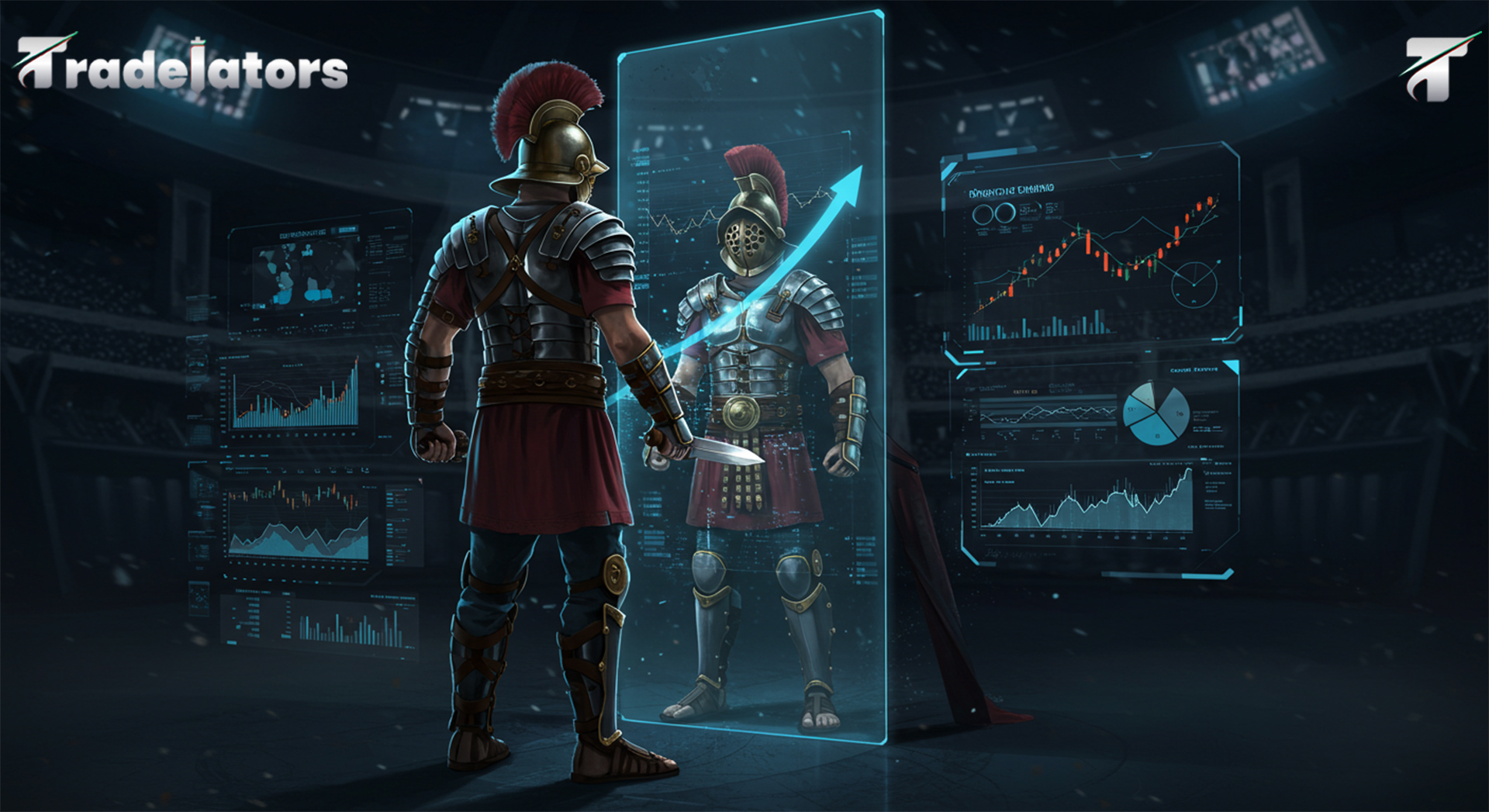
This is where trading competitions act as a true mirror, revealing your investment pattern and financial behavior with a clarity that theoretical models or demo simulations simply cannot offer.
Pressure Shapes Decisions: This Is Where Your True Style Emerges
In a regular demo trading environment, you might enter trades randomly or take uncalculated risks—because there’s nothing truly at stake.
But in trading competitions, such as those hosted by Tradeiators, the presence of real competition, limited time, and a financial prize changes your entire mindset.
You become either more cautious—or perhaps more reckless.
You begin to filter your decisions based on your true psychological and financial drivers, not just theoretical logic.
By observing yourself during a competition, you’ll uncover:
- Are you naturally a scalper, drawn to short, high-frequency trades?
- Or do you prefer waiting and analyzing data over longer timeframes?
- Do losses make you anxious? Do you seek revenge against the market?
- Do you exit early out of fear—or stay in too long chasing maximum profits?
Each answer here isn’t just a passing behavior—it’s a clear indicator of your investment style and personal behavior under pressure.
The Balance Between Logic and Emotion Is Your Greatest Indicator
A successful trader isn’t necessarily the one with the “best” strategy—but the one who can consistently execute their strategy, without crumbling after the first loss or misleading market rumor.
Trading competitions—especially on Tradeiators—offer a unique opportunity to test your ability to stick to your plan in a highly competitive environment full of distractions, breaking news, and rapid decisions.
You’ll quickly discover whether you have the discipline to follow through—or if you’re prone to constantly shifting your strategy based on what others are doing.
And that, in itself, is one of the most important success factors in real markets.
Your Risk Profile: How Comfortable Are You With Losing?
One of the biggest insights trading competitions provide is your actual risk tolerance.
Even if you believe you’re balanced in your decision-making, you might find yourself:
- Opening oversized positions to climb the leaderboard faster,
- Or avoiding risks entirely out of fear of falling behind.
This real-world testing helps you understand:
- Your maximum psychological limit before exiting a trade,
- The type of orders you prefer—do you rely on stop-losses or manual adjustments?
- How you behave when the market turns volatile and unpredictable.
All of this paints a crystal-clear picture of your psychological trader profile—a priceless insight before moving to real capital.
Tradeiators: From Performance Analytics to Building Your Style
What sets Tradeiators apart isn’t just the authentic competition environment based on real market data—it’s also the ability to analyze your performance after each contest, compare strategies with others, and review your decisions to learn and improve.
With repeated participation, you’ll begin to see a consistent behavioral pattern emerge.
That pattern becomes the foundation for:
- Developing your personal strategy,
- Choosing the most suitable market (Forex, Stocks, Crypto),
- And refining your preferred trading style (daily, swing, or long-term).
In Conclusion
Trading competitions are more than financial challenges—they’re powerful self-analysis tools.
They’re like practical labs that reveal who you are in the market: Are you disciplined? A risk-taker? Do you make decisions based on logic—or emotion?
Each competition gives you a chance to see yourself from the inside—not as a theoretical investor, but as a real market participant.
Start your journey with Tradeiators today, and discover who you truly are as a trader—before the market does it for you the hard way.