
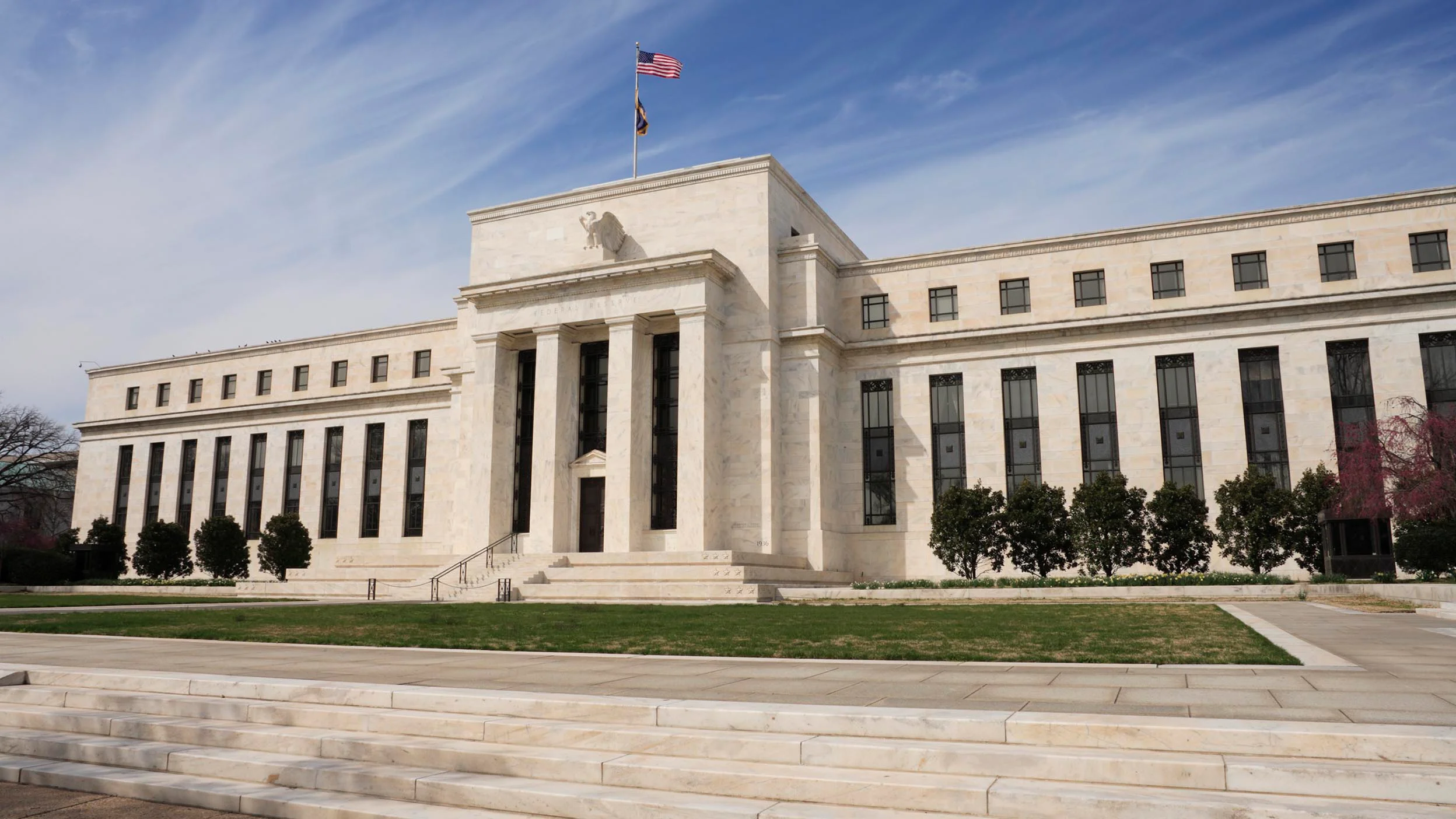
Interest rates have drawn significant attention since the pandemic. Periods of historically low inflation followed by sharp price increases between 2020 and early 2023 heightened consumer and investor awareness of how the Federal Reserve manages interest rates.
The Federal Reserve adjusts the federal funds rate to address inflation and unemployment trends. This rate reflects what banks charge one another for overnight loans and directly shapes the cost of capital. As a result, it strongly influences loan pricing for businesses and individuals.
Ultimately, credit card rates, auto loans, and personal loan rates tend to rise or fall in line with movements in the federal funds rate.
Stock prices also respond to the Fed’s decisions. Lower rates typically support rising stock prices, while higher rates exert downward pressure. But what happens when the Fed decides to keep rates unchanged?
Let’s explore the implications of this decision, along with guidance on how to adjust your investment portfolio.
The Economic Significance of No Rate Change
Managing interest rates requires the Fed to strike a careful balance between stimulating the economy and restraining inflation. Lower rates encourage consumer and business spending, which often boosts stock prices. However, cutting rates too quickly can fuel inflation—something that harms markets.
When the Fed opts to leave rates unchanged, it generally signals economic resilience, albeit with the possibility that inflationary pressures could reemerge at any time.
Investor Expectations and Their Market Impact
In theory, stable interest rates should not trigger major swings in stock prices. But in practice, investor expectations play a decisive role.
Market reactions intensify when expectations diverge from the Fed’s actual decision. If investors anticipate a rate cut that doesn’t materialize, stocks may decline. Conversely, if they expect a rate hike but the Fed stays put, stock prices may rise.
As David Russell, Global Head of Marketing Strategy at TradeStation, explains:
“The Fed’s strongest influence on the stock market lies in confirming or contradicting investor expectations about monetary policy and the economy.”
To monitor what the market is expecting, investors commonly refer to CME FedWatch, which uses federal funds futures pricing to forecast upcoming Fed decisions.
How Should You Adjust Your Investment Portfolio?
With interest rates on hold and investor sentiment largely aligned with the Fed’s stance, you may wonder whether changes to your portfolio are necessary. The answer depends on your current investment positioning and can be assessed through three key questions:
1. Have you recently adjusted your holdings based on expectations of rate changes?
If your allocations were built around anticipated rate cuts or hikes, now may be a good time to reassess and determine whether your portfolio is still aligned with the most likely outcomes.
2. Are you still confident in your ability to predict interest rate movements and economic trends?
Investing based on forecasts can lead to strong gains—but only if your predictions are consistently accurate. Even a couple of incorrect calls can undermine long-term returns.
A more stable approach is adopting a long-term investment strategy with fixed allocations that don’t shift in response to short-term market conditions.
3. Is your long-term strategy unchanged over the past year or two?
The strength of a long-term approach is its resilience amid shifting interest rates and economic cycles. If your strategy has been working, major adjustments may be unnecessary.
A Broader Outlook Toward 2026
Interest rates remain an important factor, but they are far from the only influence on market conditions. To align your investments with the current environment, consider the broader landscape:
economic trends, corporate earnings, inflation levels, and consumer and business spending patterns.
Ultimately, corporate profits are the primary driver of stock prices. Interest rates, inflation, and spending are all factors that help shape profit trends—but relying on predictions always carries risk.
If you prefer a conservative approach, consider building a portfolio centered on high-quality stocks with proven durability across multiple economic cycles—and allow time for long-term growth to unfold.